
/it/lp/blog/solutions/cargo-container-insulation-shipping
Safeguarding your Cargo: The Usefulness of Shipping Container Insulation
04/06/2025
Updated: 04/05/2026
Key Takeaways:
- Insulated containers (and thermal liners) stabilize temperature and humidity and curb condensation, helping to maintain the quality of your cargo throughout transportation.
- You can choose from bulk, safety, metal or barrier liners, as well as thermal liners or thermal blankets. Thermal liners provide multi‑layer protection and are particularly well suited for transporting food, pharmaceuticals, and chemicals.
- Thermal liners allow you to convert standard 20/40ft containers into insulated units on demand. This is an effective option for commodities that do not require refrigerated containers , while enabling faster turnarounds, fewer spoilage losses, and a more flexible, sustainable supply chain.
Insulated shipping containers are used worldwide as a way of maintaining stable temperature and humidity levels needed to preserve the quality of your cargo.
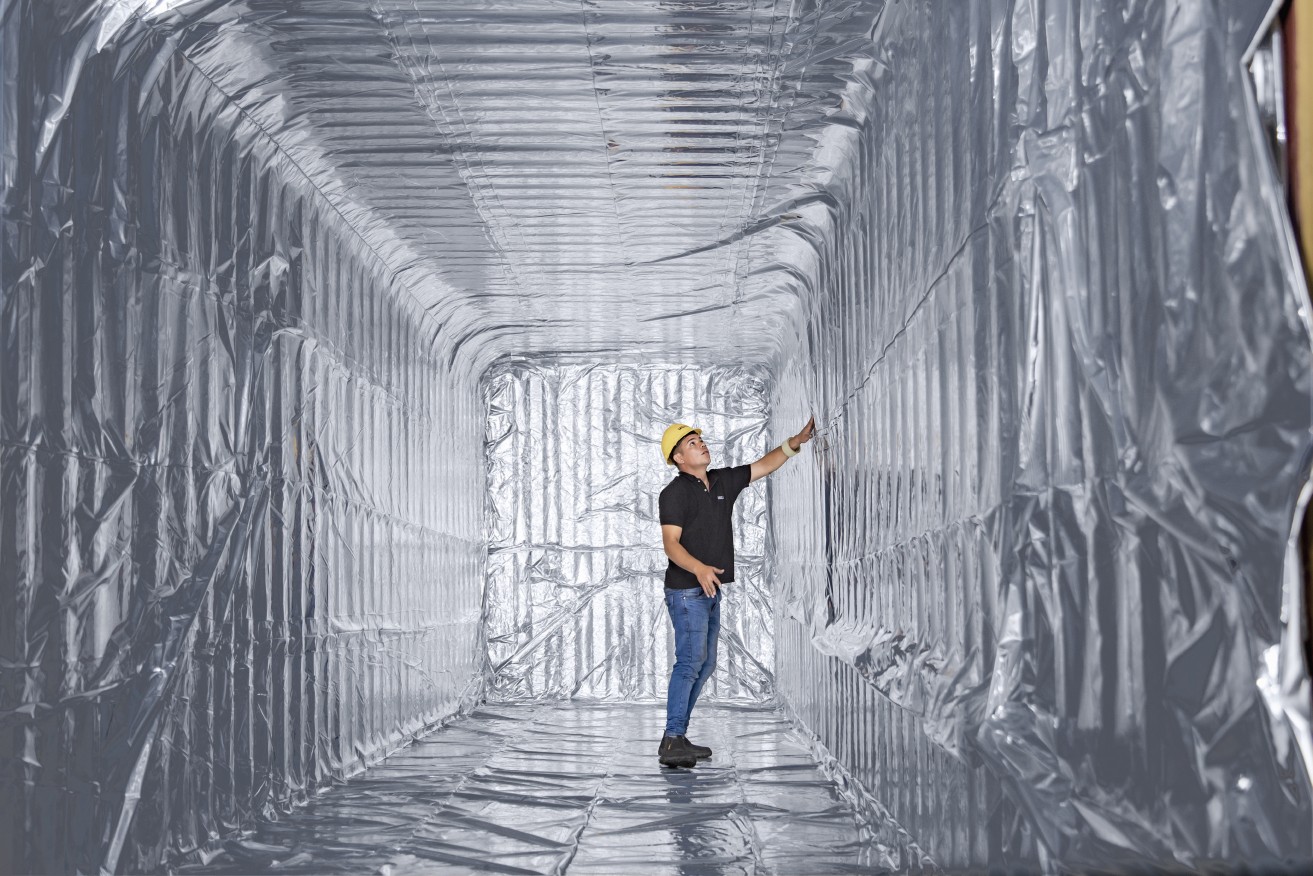
Unlike refrigerated containers (reefers), which rely on a powered cooling system, insulated containers use double-wall insulation to passively regulate internal conditions without the need for an external power source.
These containers help minimize temperature fluctuations and reduce condensation risks by limiting moisture intrusion during transport. For businesses, using container insulation when needed helps maintain product quality and ensures a seamless, reliable supply chain.
Unlike refrigerated containers (reefers), which rely on a powered cooling system, insulated containers use double-wall insulation to passively regulate internal conditions without the need for an external power source.
These containers help minimize temperature fluctuations and reduce condensation risks by limiting moisture intrusion during transport. For businesses, using container insulation when needed helps maintain product quality and ensures a seamless, reliable supply chain.
Exploring the Different Types of Container Insulation in Shipping
Designed to make the transportation of your cargo as safe and efficient as possible, there are numerous different types of container insulation available. These include:
Bulk Liners
Often referred to as ‘standard liners’, bulk liners are designed to keep dust and moisture away from your cargo, making them ideal for transporting fine materials like grain and sand. For businesses specializing in food transportation, there are also food grade bulk container liners that help preserve the quality of certain types of goods.
One key aspect of bulk liners is their top-loading and bottom-dispensing spouts, which enable easy loading and unloading.
Safety Liners
Safety container liners help protect shipping containers during the transportation of heavy cargo. While their design makes them incredibly durable, safety liners are also available in food-grade variants, with specific features such as spouts that can be used to enable the efficient handling of bulk dry goods.
Metal Liners
A more specialized option for container insulation, metal liners are used to protect cargo against odours and / or moisture. They also provide additional safeguarding measures for your cargo throughout transportation due to the strength of the metal used.
Barrier Liners
Ideal for shipping non-bulk sensitive cargo, barrier liners prevent dirt and moisture from accessing your cargo by creating a barrier between the container and your goods. While they are not as insulated as other types of container insulation, and may not suit heavy cargo needs, one key benefit of barrier liners is their cost-effectiveness.
Thermal Blankets
While they don’t traditionally fall under the ‘container liners’ category, thermal blankets, and thermal pallet covers can be used to protect cargo in extreme temperatures. By offering an additional layer of protection, thermal blankets can help businesses ship temperature sensitive goods such as food, wine, pharmaceuticals, chemicals, and electronics without the need for a thermal liner.
Thermal Liners
However, for businesses transporting cargo that requires a passive temperature control, a good option for container insulation is thermal liners. Used across several industries, including food and beverages, medicine, and chemicals, thermal liners protect and maintain your cargo’s quality throughout shipping.
Designed to protect cargo from extreme temperature fluctuations, thermal liners are constructed with multiple layers, including insulation and a reflective lining. The materials used in thermal liners have low thermal conductivity, allowing them to trap air and create a barrier that helps reduce heat transfer between the inside and outside of the shipping container.
This maintains a consistent temperature inside your shipping container that protects goods from damage caused by heat, cold, and humidity.
The Role of Thermal Liners in Shipping Cargo Internationally
Because of their ability to prevent temperature fluctuations and damage from moisture, thermal liners for containers are used in a wide range of industries, including:

Food and Beverages
Including fresh and frozen produce, as well as dairy products, thermal liners are used by businesses in the food and beverage industry to transport cargo that require specific storage temperatures. This helps prevent the growth of bacteria which could result in spoilage or the ill health of your customers.

Pharmaceuticals
Pharmaceutical products are highly sensitive to temperature and humidity and must be handled carefully during transportation to ensure the contents remain effective. Thermal liners are often used to transport pharmaceuticals, including vaccines, insulin, and other temperature-sensitive drugs.

Chemicals
Thermal liners are also used to transport chemicals and ensure they are kept at the correct temperatures. This includes industrial chemicals, paints, and other hazardous materials that can become dangerous if not transported at the correct temperatures.
Maximize Protection:
Benefits of Using Thermal Liners as Shipping Container Insulation
Aside from protecting your cargo from temperature variations during transportation, there are several benefits to utilizing shipping container insulation as part of your overall shipping process. These include:
Preserved Cargo Quality
By reducing the impact of temperature fluctuations, thermal liners help prevent spoilage, discoloration, or degradation—especially for perishable goods.
Maintains Temperature Consistency
Thermal liners maintain a stable internal environment even during long-haul shipping, preventing hot or cold spots that could compromise your cargo.
Efficiency, Flexibility, and Versatility
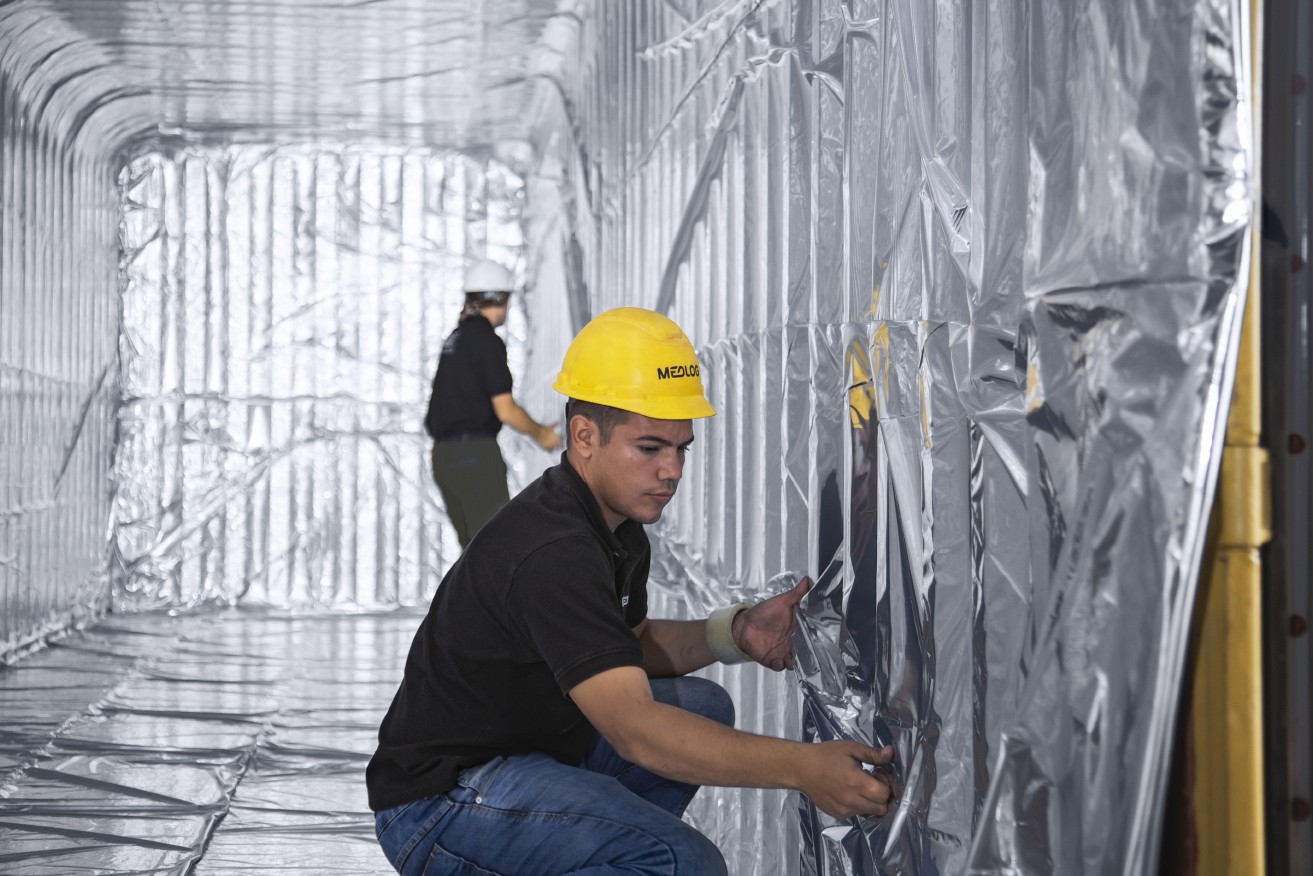
Thermal liners are easy to install and remove. This allows businesses to alternate between insulated and non-insulated loads with minimal downtime. They’re compatible with various container sizes (e.g., 20ft and 40ft) and types, increasing operational flexibility.
By converting a standard dry container into a passive insulated unit, businesses also reduce dependence on reefer containers—helping to shorten lead times and lower logistics costs when active cooling isn’t essential.
Efficiency, Flexibility, and Versatility
Thermal liners are easy to install and remove. This allows businesses to alternate between insulated and non-insulated loads with minimal downtime. They’re compatible with various container sizes (e.g., 20ft and 40ft) and types, increasing operational flexibility.
By converting a standard dry container into a passive insulated unit, businesses also reduce dependence on reefer containers—helping to shorten lead times and lower logistics costs when active cooling isn’t essential.
Efficiency, Flexibility, and Versatility
Thermal liners are easy to install and remove. This allows businesses to alternate between insulated and non-insulated loads with minimal downtime. They’re compatible with various container sizes (e.g., 20ft and 40ft) and types, increasing operational flexibility.
By converting a standard dry container into a passive insulated unit, businesses also reduce dependence on reefer containers—helping to shorten lead times and lower logistics costs when active cooling isn’t essential.
Improved Energy Efficiency and Cost Savings
Thermal liners reduce the need for powered refrigeration in suitable scenarios, cutting down on energy usage and associated shipping costs. This makes them a cost-effective choice for moderately temperature-sensitive cargo. Using thermal liners reduces waste from damaged goods and extends the shelf life of perishables. This helps reduce your environmental impact and supports more sustainable supply chains—while building a reputation for quality and reliability.
** The nature and specific requirements of your cargo must be considered when selecting the type of container and insulation. Always consult experts when preparing your cargo for shipping.
Ask MSC
When it comes to shipping perishable or sensitive cargo, it’s important to work with experts. Choosing MSC as your shipping partner means you’ll be working with industry experts with the experience to offer you the best shipping solution for your cargo. Contact us today to find out more.
Our Solutions

Shipping Solutions
Learn More
Warehousing & Storage Solutions
Learn More
Inland Transportation & Logistics Solutions
Learn More
Digital Business Solutions
Learn MoreRelated Articles

Flow State: How Flexitank Containers are Advancing Liquid Cargo Shipping
Once inserted into the container, the liquid to be transported is pumped into the flexitank using a dedicated pump and hose system to prevent contamination. After being filled, the tank is sealed and secured by a sturdy frame inside the container to prevent it from moving during transport. Upon arrival, the cargo can be unloaded and the container thoroughly inspected before being used again.

Cold Chain Management: Keeping Temperature-Sensitive Cargo Safe in Transit
Establishing and managing a cold supply chain is an integral part of today’s global landscape. But what does ‘cold chain management’ mean? Put simply, a cold supply chain is a temperature-controlled operation that helps preserve the quality of perishable products during transportation.

Ready for the Rush: How to Optimize Your Operations for Shipping in Peak Seasons
To prevent overwhelming your supply chain during peak seasons, advanced resource planning and management is vital. Not only does the timely delivery of your cargo to your customers enable you to capitalize on market opportunities, but preparing for seasonal freight demand also helps you to minimize supply chain disruptions and maintain business continuity.

Agricultural Transport: Fuelling the World Through Shipping
Corn, grain, and wheat amongst other commodities all provide vital raw materials used across numerous industries besides the food sector. Certain products, such as biofuel, wouldn’t be available without corn exports that make ethanol. From supplying key ingredients needed for bread or ensuring that all grain and wheat exports reach their destination in prime condition, agricultural transportation is incredibly important.
FAQs
How do you insulate a shipping container?
A standard shipping container can be insulated using several common methods, depending on the cargo type, climate conditions, and budget. These include:
- Internal framing with insulation: a timber or metal frame is installed inside the container, which is then filled with insulation (e.g., fiberglass batts, rigid foam boards, or spray foam) and sealed with plywood or other interior panelling. A vapor barrier is typically added to prevent condensation.
- Spray foam insulation: a popular method due to its high R-value, air sealing, and moisture resistance. It’s sprayed directly onto container walls and ceilings, creating a seamless barrier. Best installed by professionals due to chemical handling.
- Insulated liners and thermal blankets: these include multilayered thermal liners or reflective blankets that can be fitted to the interior. They’re often used for short-term or temperature-sensitive shipments where permanent insulation isn’t required.
- Vacuum-insulated panels (VIPs): though rare due to cost, VIPs offer high thermal performance. They are more common in high-end refrigerated transport but can be used in specialized container retrofits.
Each method serves different purposes—some offer permanent structural insulation (ideal for conversions or long-term storage), while others provide temporary thermal control during transport.
Can you insulate a 40 ft shipping container?
Definitely! Insulation solutions are available for all standard shipping container sizes, including 20 ft and 40 ft containers. The type and amount of insulation required will depend on your intended use, cargo sensitivity, and environmental conditions during storage or transit.
What is the difference between an insulated conex box and a standard shipping container?
An insulated conex box is a shipping container built with insulation pre-installed, often with internal lining, insulation materials (like polyurethane foam), and sometimes refrigeration units (in the case of reefer containers).
In contrast, a standard shipping container has no built-in thermal protection. However, it can be converted or retrofitted with insulation to meet specific needs such as temperature-sensitive cargo, long-distance travel, or climate-controlled storage.