
/es/lp/blog/industries/2023/the-fmcg-industry
What is moving so fast? The FMCG industry
18/12/2023
Want a quick breakfast option? Cereal. Have a headache? Take some aspirin. Jumping in the shower? Make sure you take soap!
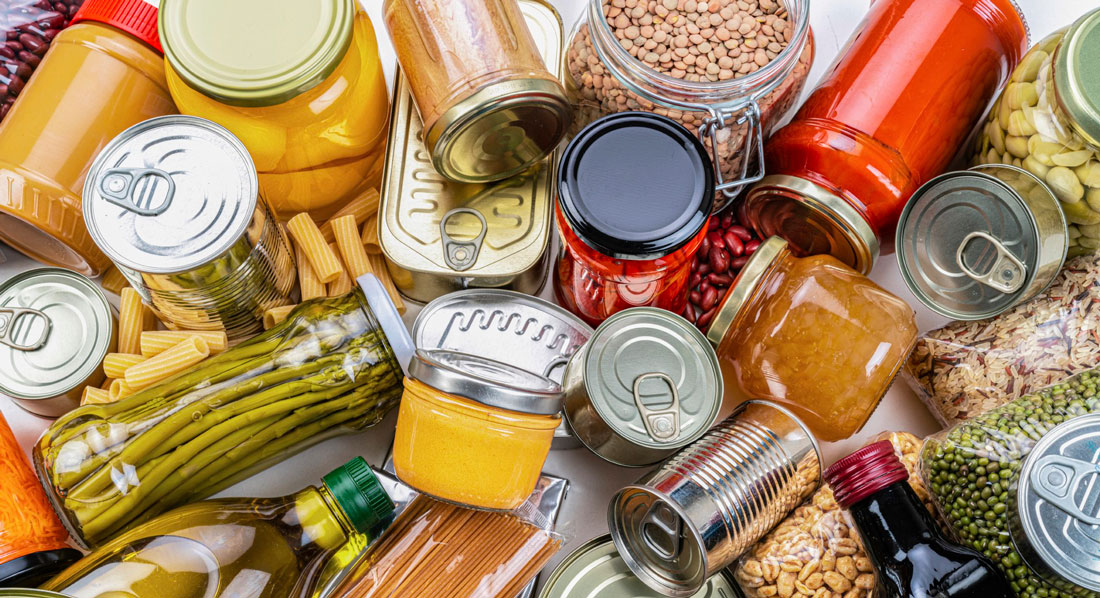
From the moment we wake up, to the time where we’re getting ready for bed there are certain items that we always have on hand. Even if we don’t already have them with us, we expect to be able to purchase them quickly and easily in most supermarkets or stores. These items that are so ingrained in our everyday lives are known as ‘Fast moving consumer goods’ (FMCGs) and are things we purchase frequently and consume rapidly.
Including a diverse range of products, the fast-moving consumer goods industry is one with global reach. As well as being a highly competitive market, it is also one heavily influenced by trends and brand loyalty from consumers.
These factors mean that to stay ahead of the competition, businesses must ensure that their supply chain, logistics, and transportation systems are agile enough to enable them to twist, turn, and pivot operations wherever needed.
More recently, and largely due to changes in customer behaviour and global challenges such as the Covid-19 pandemic, there have been some significant shifts in the industry trends for fast moving consumer goods.
This includes increased efforts towards digitalization and e-commerce, as more and more customers resort to online rather than instore purchases. Equally, customer experience has been of greater focus, with numerous brands implementing AI based solutions to offer consumers round the clock support.
With this has come an increase in direct distribution to customers, with businesses hoping to maintain or develop brand loyalty and preserve or grow their share of the market.
There has also been a sizable shift in the way FMCG businesses approach sustainability. Not only do consumers want the best product at the best price, but they also want to purchase from a company that is environmentally conscious and makes responsible choices.

How does the FMCG Industry Impacts the Environment?
Traditionally most fast-moving consumer goods come wrapped in plastic, much of which is single use or non-recyclable. Many FMCGs, also have a shorter product lifespan meaning they’re consumed quickly or disposed of rapidly, further increasing their potential environmental damage.
How does the FMCG Industry Impacts the Environment?
Traditionally most fast-moving consumer goods come wrapped in plastic, much of which is single use or non-recyclable. Many FMCGs, also have a shorter product lifespan meaning they’re consumed quickly or disposed of rapidly, further increasing their potential environmental damage.
Combine this with your potential customers’ desire to shop from an environmentally conscious brand, and businesses responsible for distributing FMCGs can face a real challenge. As well as looking at ways to enhance product shelf life and use sustainable packaging, one of the key ways companies working in the FMCG sector can become more environmentally friendly is through their transportation and shipping solutions.
At MSC, we are continually investing in creating environmentally friendly shipping, routes, and solutions. Not only have we increased our average cargo capacity per ship, but we have also been upgrading our fleet to reduce carbon dioxide emissions. We use the latest technologies to monitor performance and ensure that we are contributing to creating sustainable supply chains for all our customers.
The FMCG industry relies on timely logistics and transportation to ensure that all products reach customers as quickly as possible. This helps encourage return business from existing customers, generates a positive reputation for your brand, and is also vital for facilitating global trade and expanding your international markets.
Because fast moving consumer goods are typically sold at a lower price point, having efficient transportation and logistics processes in place helps ensure your business is financially viable. Optimizing transportation routes (including intermodal transportation), as well as understanding how to minimize delays helps to keep costs down for your business, while also enhancing customer satisfaction.
Furthermore, improving transportation and logistics solutions will also help your business manage demand fluctuations. The purchase rate of fast moving consumer goods can be impacted by things like seasonal peaks or brand promotions, the precise outcome of which can be hard to predict. Effective logistics management will mean that your products are available where, and whenever consumers need them.
Due to its fast cycle of usability and consumer driven nature, having strong supply chain management is crucial in the FMCG industry. Planning shipping solutions for perishable products will reduce the risk of cargo becoming damaged or worthless during transit.
Similarly, optimizing your overall supply chain will minimize the risk of stockouts due to products being unavailable. Equally, you’ll also be able to optimize your company’s inventory levels to avoid overstocking.
Beyond this, good supply chain management also enables global market expansion by ensuring products are being efficiently transported and distributed. A well structured supply chain also helps mitigate risks caused by natural disasters or geopolitical events which could cause hold-ups further along in the supply chain.
FMCG Logistics and Transportation FAQs
What are some examples of fast-moving consumer goods?
FMCGs can be divided into three categories:
• Durable goods (products that last over three years)
• Nondurable goods (products that last less than three years)
• Services
Common examples of FMCGs include:
• Processed foods
• Pre-prepared meals
• Baked goods (cookies, croissants)
• Beverages
• Frozen and dry goods
• Medicines
• Cleaning products
• Cosmetics and toiletries
• Office supplies
What is the difference between an FMCG and a CPG?
CPGs (consumer packaged goods) are products that consumers purchase frequently such as clothing or household products. The key difference between FMCGs and CPGs is that FMCGs are sold ‘faster’ than CPGs, meaning that businesses are required to restock the products more frequently.
Shipping regulations for FMCGs
Depending on the product and country, FMCGs are subject to various shipping regulations. For example, all medical or pharmaceutical products that can be purchased without a prescription must still be checked to ensure that no harmful substances have contaminated the product.
Other shipping considerations for FMCGs include:
• Customs and import regulations and documentation
• Product labelling and packaging
• Product documentation (including certificates of origin, sanitary/phytosanitary certificates, and product compliance certificates)
• Temperature controlled transportation and handling
• Product registration
• Trade agreements
Because of the variances in which regulations and documentation are required depending on the cargo, working with an experienced company like MSC can minimize your stress levels when organizing FMCG transportation.

To meet consumer demands, and remain competitive in a fast-paced market, you should work with a shipping partner who can help with your overall FMCG logistics, transportation, and supply chain management.
Our international teams at MSC are on hand 24/7 to offer you expert support, guidance, and ensure that everything from your documentation to your intermodal transportation and FMCG warehousing is optimized. Even better, our sustainability ethos, global shipping network, and reliably fast transit times enable you to follow customer demand whilst working with an environmentally friendly shipping partner.
Contact us today to explore how MSC’s full range of shipping and transportation solutions could be beneficial for your business.
Discover our Range of Solutions

Shipping Solutions
Learn More
Warehousing & Storage Solutions
Learn More
Inland Transportation & Logistics Solutions
Learn More
Digital Business Solutions
Learn MoreRelated Articles

The ‘Cool’ Guide to Shipping Frozen Foods
In our fast-paced modern lifestyles, frozen ingredients have become indispensable household essentials, offering consumers unparalleled convenience, variety, and freshness. From ocean fresh salmon to freshly picked cherries, juicy pork joints to crunchy green beans, consumers expect nothing less than the best produce– regardless of season or location.

How Shipping Innovations are Transforming Agricultural Exports
Within this globalized landscape, three commodities stand out: corn, wheat, and seeds. As the most produced grains globally, corn and wheat are dietary staples. However, their utility extends beyond food consumption, with these grains also being used for biofuel, biodegradable packaging, textiles, livestock feed, and food processing. Seeds, as the starting point of production, are fundamental to the agricultural industry. These kernels of potential lay the groundwork for successful crop production, harvest, and distribution. Beyond their agricultural significance, seeds are being used more and more in health-conscious diets as great sources of vitamins, minerals and healthy fats.

Shipping Dangerous Goods
The UN Model Regulations separate dangerous or hazardous substances into nine classes all of which can pose a threat to human and animal life, material property, or the environment if they leak or are mishandled in any way. These classes are not ordered in terms of severity but by substance type. Each class of hazardous goods determines how the cargo can be shipped and what measures need to be in place throughout transportation.

Race Against Time: Urgent Cargo in Global Shipping
Urgent shipping can involve a wide range of goods, from perishable items like foodstuff and flowers, to time-critical medical equipment and legal documents. In addition to this, urgent cargo serves as an important element of supply chain management. These schedule-sensitive shipments support strategies like just-in-time inventory replenishment and help to mitigate risks that may impact operational continuity.