
/ko/lp/blog/industries/efficient-agricultural-shipping
How Shipping Innovations are Transforming Agricultural Exports
30/10/2024
Updated: 17/04/2026
Key Takeaways:
- Shipping seeds, wheat, and corn successfully relies on tailored solutions like containerization, cargo monitoring systems, specialist packaging and temperature control when needed to protect quality and keep agricultural cargo moving smoothly.
- Careful planning, clear communication, and strong contingency strategies are essential for efficient and sustainable agricultural shipping.
- Digitize your paperwork with e-documents like eBL, work with an expert for custom’s declaration, and utilize real-time updates to prevent errors, avoid delays and coordinate operations across your supply chain more quickly.
Whether you are shipping cashews, coffee or cocoa, few sectors prove to be as important and impactful as the agricultural industry. Over the past two decades, trade in agro-food products has not only grown but also undergone significant globalization. This globalization has resulted in an interconnected web of trade, contributing not only to global food security but also to employment opportunities and economic stability.
Within this globalized landscape, three commodities stand out: corn, wheat, and seeds. As the most produced grains globally, corn and wheat are dietary staples. However, their utility extends beyond food consumption, with these grains also being used for biofuel, biodegradable packaging, textiles, livestock feed, and food processing.

Seeds, as the starting point of production, are fundamental to the agricultural industry. These kernels of potential lay the groundwork for successful crop production, harvest, and distribution. Beyond their agricultural significance, seeds are being used more and more in health-conscious diets as great sources of vitamins, minerals and healthy fats.
Considering the increasingly interdependent nature of this industry and the widespread significance of these commodities, efficient shipping innovations and solutions are essential. Streamlined logistics will ensure that your agricultural goods are delivered quickly and reliably, from field to freight and from local to global markets.
Export your agricultural products with the leader in shipping and logistics!
Seeds, as the starting point of production, are fundamental to the agricultural industry. These kernels of potential lay the groundwork for successful crop production, harvest, and distribution. Beyond their agricultural significance, seeds are being used more and more in health-conscious diets as great sources of vitamins, minerals and healthy fats.
Considering the increasingly interdependent nature of this industry and the widespread significance of these commodities, efficient shipping innovations and solutions are essential. Streamlined logistics will ensure that your agricultural goods are delivered quickly and reliably, from field to freight and from local to global markets.
Export your agricultural products with the leader in shipping and logistics!
With unique needs and characteristics, tailored and specialized shipping solutions are required for each agricultural commodity.
Wheat shipping
Wheat shipping has seen the development of essential tools and technology to enhance the efficiency of its transportation:
- Large bulk carriers, equipped with specialized loading and unloading equipment enable the timely transportation of large volumes of cargo.
- Grain monitoring systems, which track temperature and humidity changes, help to maintain the quality of wheat through optimal transit conditions.
- Containerization offers greater regulation of speciality wheats, ensuring they retain their freshness and are traceable throughout the supply chain.
Corn shipping
On top of using large bulk carriers, similar to wheat cargo, corn shipping has been improved by several advancements in logistics:
- Flexi-tanks, used to ship liquid corn products, facilitate the transport of large quantities of liquid. They are easy to install and cost-effective.
- Quality control systems, which test for moisture, pests, and contaminants, ensure goods maintain their integrity and meet regulatory requirements.
Seeds shipping
Seed shipping has also benefitted from several innovations in shipping:
- Specialized moisture-resistant and durable packaging can protect seeds from contamination and damage.
- Temperature-controlled containers enable precise cold-chain management to maintain seed integrity.
- Digital solutions facilitate accurate and speedy regulatory compliance and minimize the risk of delays.
Advances in shipping technology and practices have revolutionized how agricultural commodities are transported, paving the way for more sustainable and efficient supply chain logistics.

Container and Cold Chain Technology
As perishable goods, seeds, corn, and wheat are all susceptible to spoilage. Seeds, in particular, require meticulous temperature control to prevent degradation and spoilage. While corn requires carefully maintained moisture levels to prevent mold and insect infestation. Fortunately, advancements in container technology provide suppliers with greater control over the temperature and humidity of their goods.
Atmosphere control systems maintain optimal conditions to preserve the quality of your goods, prevent spoilage and meet food safety standards. Moreover, by precisely regulating the temperature of your cargo, you can reduce your resource consumption and energy waste, ensuring your goods arrive fresh and intact while also fostering an efficient and sustainable supply chain.
Container and Cold Chain Technology
As perishable goods, seeds, corn, and wheat are all susceptible to spoilage. Seeds, in particular, require meticulous temperature control to prevent degradation and spoilage. While corn requires carefully maintained moisture levels to prevent mold and insect infestation. Fortunately, advancements in container technology provide suppliers with greater control over the temperature and humidity of their goods.
Atmosphere control systems maintain optimal conditions to preserve the quality of your goods, prevent spoilage and meet food safety standards. Moreover, by precisely regulating the temperature of your cargo, you can reduce your resource consumption and energy waste, ensuring your goods arrive fresh and intact while also fostering an efficient and sustainable supply chain.
Container monitoring
Advances in tracking technology have also contributed to more efficient and sustainable seed, wheat, and corn shipments. Equipped with IoT technology, smart containers provide you with 24/7 access to real-time data about your shipments, including container position, door status, temperature, and humidity. With this data, you can make informed decisions about various aspects of your operations, from inventory management to customer communication and stakeholder coordination.
With real-time insights into container position, you can make future optimizations to your supply chain shipping routes and subsequently minimize your environmental impact while also reducing transit times and operational costs. Similarly, real-time insights into door status and climate changes within your containers can help to improve your inventory management and reduce the risk of spoilage and waste. With personalized alerts to update you on the status of your wheat, corn, and seed shipments, you can better coordinate with your stakeholders to avoid disruptions and delays. While also ensuring you can provide proactive and transparent customer support.
Digital documentation and communication
The digitalization of documents has also improved the efficiency and sustainability of corn, wheat, and seed shipping. E-documents, including the electronic Bill of Lading, customs declaration, and cargo-specific documentation like phytosanitary certificates and seed analysis reports, have streamlined administrative processes. This development has not only reduced paper waste, but also the likelihood of document errors or damage and by extension, delays to the timely shipment of your sensitive goods.
Digital communication systems improve stakeholder coordination in real time so that you make in-the-minute decisions to ensure the safe and reliable delivery of your commodities.
Top Tips to Ensure your Shipment of Agricultural Commodities is Efficient and Environmentally Friendly
To maintain the high quality of your grains and seeds, move them efficiently through the supply chain and meet your sustainability goals, a comprehensive plan is essential. For corn, seed and wheat shipping success, here are a few suggestions:

- Utilize real-time tracking and monitoring technology to enable informed in-the-minute decision-making.
- Select refrigerated containers where needed, to preserve the quality of your goods.
- Identify the optimal temperature and humidity conditions to ensure your goods stay fresh.
- Coordinate with stakeholders and transport providers to maintain a seamless shipping process.
- Communicate special handling requirements to your shipping company to safeguard your goods.
- Plan for delays and disruptions with comprehensive contingency plans to mitigate the impact of unexpected events.
- Research the import regulations of your goods and fumigate containers as necessary.
- Choose appropriate packaging and labelling to keep your goods fresh and secure.
- Utilize real-time tracking and monitoring technology to enable informed in-the-minute decision-making.
- Select refrigerated containers where needed, to preserve the quality of your goods.
- Identify the optimal temperature and humidity conditions to ensure your goods stay fresh.
- Coordinate with stakeholders and transport providers to maintain a seamless shipping process.
- Communicate special handling requirements to your shipping company to safeguard your goods.
- Plan for delays and disruptions with comprehensive contingency plans to mitigate the impact of unexpected events.
- Research the import regulations of your goods and fumigate containers as necessary.
- Choose appropriate packaging and labelling to keep your goods fresh and secure.
On top of these, partnering with an experienced shipping company like MSC can help you leverage shipping innovations in agricultural exports. Reliable and personalized solutions will help to ensure your seed, corn and wheat shipments reach the market sustainably and efficiently.
Sow Seeds of Success with MSC
At MSC, we offer tailor-made shipping solutions to connect growers, farmers, and producers with their key markets around the world. We are committed to helping you find the efficient and sustainable solutions you need. Contact us today to find out more.
Discover our Range of Solutions

Shipping Solutions
Learn More
Inland Transportation & Logistics Solutions
Learn More
Warehousing & Storage Solutions
Learn More
Digital Business Solutions
Learn MoreRelated Articles

Agricultural Transport: Fuelling the World Through Shipping
Corn, grain, and wheat amongst other commodities all provide vital raw materials used across numerous industries besides the food sector. Certain products, such as biofuel, wouldn’t be available without corn exports that make ethanol. From supplying key ingredients needed for bread or ensuring that all grain and wheat exports reach their destination in prime condition, agricultural transportation is incredibly important.

Navigating India’s Rice Export Industry with MSC
Globally, India is known for exporting several types of rice, with Basmati and Par-boiled being some of the most popular. Basmati rice, renowned for its long grains and aromatic fragrance, is a major export, with high demand in numerous markets. As such, facilitating successful rice exports from India is vital for businesses involved in the industry. To ensure all exports are as quick and easy as possible, all regulatory compliance and documentation must be handled effectively to avoid costly delays.

Full Flavour Shipping: Discover the World of Spice Importers in the USA
For the past decade, spice importers in the USA have regularly brought in more than 40 spices from over 50 countries, including Indonesia, Mexico, India, Canada, and China. The size and scale of the import market, combined with domestic needs makes the USA spice trade a valuable one for numerous businesses around the world.
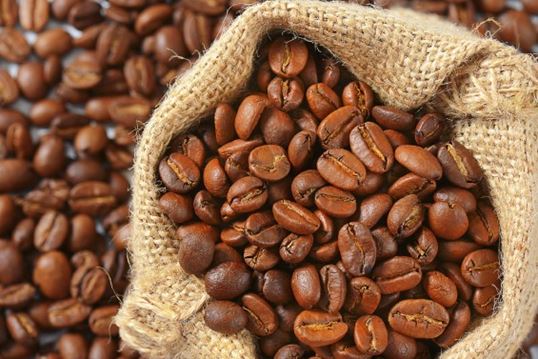
Brewing Success: Coffee Shipping in Vietnam
With strong and bold flavours, the Vietnamese coffee bean has propelled itself into economic importance, as one of the country’s most significant agricultural exports and one of the world’s most sought-after coffee varieties. With concerns around infrastructure, environmental sustainability, and the delicate balance between high production volumes and quality standards, the Vietnamese coffee market is not without its challenges.
FAQs
Is temperature control needed when shipping agricultural produce?
For most seeds, wheat or corn shipments stable, dry conditions and an ambient temperature is required. Temperature-controlled containers are needed in rare cases, such as for high-oil or particularly high-value seeds where protecting viability is especially important.
What’s different about shipping seeds vs. food-grade grain?
Seeds are planted, not milled or processed for consumption, so the focus is on preserving germination rates, purity, and genetic identity rather than just preventing spoilage. This means seed shipments often require more careful handling, moisture-resistant packaging, strong traceability, and protection from contamination. Depending on the variety, dry ventilated containers are usually suitable, while some sensitive seeds may require controlled storage conditions before or after transit.
How do I prevent moisture damage and pests in transit?
To protect your shipment, you can:
- Only load your wheat, corn, or seed produce at target moisture (typically ≤13–14% for many grains).
- Use clean, food grade dry cargo containers with liners or desiccants.
- Ensure containers are properly sealed and protected from re-entry of moisture or pests after loading.
- Use approved fumigation where required.